
"HB-M5 roaster"
37000 article(s) found
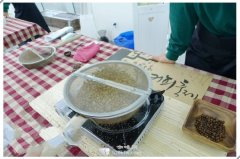
Coffee common sense-coffee roasting
Coffee roasting (coffee roasting) refers to the heating of raw beans to convert starch in raw beans into sugars and acids at high temperature, cellulose and other substances will be carbonized to varying degrees, water and carbon dioxide will be volatilized, proteins will be converted into enzymes and fats, and the remaining substances will be combined to form an oil film on the surface of coffee beans, and in the process coffee acids will be formed.

Problems of dehydration, climbing temperature, smoke exhaust and taxiing of coffee roaster
When is dehydration? How many degrees does it take to climb? Smoke exhaust problem? What is the taxiing action? These professional knowledge about coffee roasting must be the skills that many coffee roasters want to know, so here is a little experience for coffee lovers: however, it is only a simple introduction. For details, please refer to coffee roasting and other related books or interested coffee lovers.

German PROBAT coffee roaster Probatone & Probatino
In 1864, as a result of the construction of the railway, Alexius van G ü lpen, a pioneer of raw coffee beans in Emmerich, Germany, had a whim to promote freshly roasted coffee beans to retailers in other regions. However, the first problem to be solved is the need for a high-output bean dryer.

German PROBAT coffee roaster Probatone & Probatino
Brand profile in 1864, due to the construction of the railway, Alexius van Glpen, a pioneer of raw coffee beans in Emmerich, Germany, had a whim to promote freshly roasted coffee beans to retailers in other regions. However, the first problem to be solved is the need for a high-output bean dryer. So I got to know a local worker in Emmerich.
German PROBAT coffee roaster Probatone & Probatino
Brand profile in 1864, due to the construction of the railway, Alexius van Glpen, a pioneer of raw coffee beans in Emmerich, Germany, had a whim to promote freshly roasted coffee beans to retailers in other regions. However, the first problem to be solved is the need for a high-output bean dryer. So I got to know a local worker in Emmerich.

Yang Family Pegasus 800N roaster how to use? Introduction to the parts of coffee roaster
If coffee raw beans have established the general flavor of coffee, brewing is to show the flavor of this coffee, then baking is in between the two, is a key step to determine the direction of coffee flavor. But before we learn about baking, let's get a general idea of the parts and functions of the roaster. Our roaster is the Yang Family Pegasus 800N from Taiwan! Baking

Coffee bean professional coffee roaster coffee roaster coffee shop commercial household all-in-one machine
Product features: 1. The whole fuselage 304 stainless steel is perfectly combined with imported steel plate, which is stronger and more durable. Temperature, time LCD real-time display, intuitive button design, easy to operate; 3. The improved drum design changes from the original round hole to the strip hole, which adapts to the coffee beans with smaller particles, and at the same time ensures that the silver skin and bean shavings will not be stuck in the drum and cause scorching. 4. detachable

Structure diagram of Fuji coffee roaster-introduction of baking degree
Structure diagram of Fuji coffee roaster-introduction of baking degree. Although these are not very sophisticated professional models, as long as they are handled properly, the roasted coffee beans are still mellow. 1. Direct firing: ceramic roaster or pan direct fire appliance is the simplest. It can be a pan or a long handle ceramic roaster made in Japan. The ceramic roaster is closed and has the effect of stewing.

Introduction of German PROBAT coffee roaster recommended by coffee equipment
[brand profile] in 1864, due to the construction of a railway, AlexiusvanGlpen, a pioneer of raw coffee beans in Emmerich, Germany, had a whim to promote freshly roasted coffee beans to retailers in other regions. The first problem to be solved, however, is the need for a high-output bean dryer. So I got to know a local worker in Emmerich.
Nine links teach you to tell the good from the bad of coffee beans
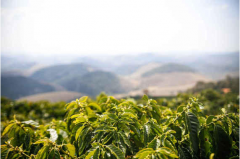
Most people do not have much contact with coffee, and it is very rare to be able to identify the type of coffee from coffee beans. Even if you are lucky enough to know coffee, you may not go through everything from beans to liquids. Coffee is good and bad, so how can we identify it? 1. Coffee beans grow in microclimate coffee has many shapes and sizes, although most of them are the same shape, but it is best to correspond.

Milk foam German PROBAT coffee roaster Probatone & Probatino
Brand profile in 1864, due to the construction of the railway, Alexius van Glpen, a pioneer of raw coffee beans in Emmerich, Germany, had a whim to promote freshly roasted coffee beans to retailers in other regions. However, the first problem to be solved is the need for a high-output bean dryer. So I got to know a local worker in Emmerich.
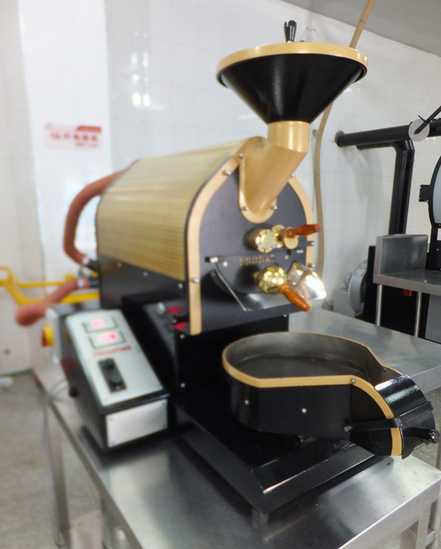
Coffee utensils: detailed introduction of PROBAT coffee roaster in Germany
[brand profile] in 1864, due to the construction of a railway, AlexiusvanGlpen, a pioneer of raw coffee beans in Emmerich, Germany, had a whim to promote freshly roasted coffee beans to retailers in other regions. The first problem to be solved, however, is the need for a high-output bean dryer. So I got to know a local worker in Emmerich.
SCAA Gold Cup and Coffee Roaster Master Level 1 Certification Course
SCAA Gold Cup and Coffee Roasting Master Level 1 Certification Course June 15-22, 2014 CREMA Coffee Laboratory (Guangzhou) SCAA Gold Cup Master Certification Course Through learning the ratio of coffee and water, concentration, extraction rate and other knowledge, learning and sharing SCAA scientific gold brewing standards, so as to master the gold cup standard for making coffee. Gold Cup Standard is also a deep discussion among friends
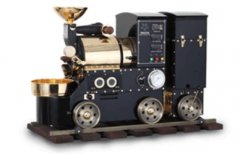
Characteristics of Tai Huan Coffee Roaster
PROASTER THCR-01 Tae-hwan coffee roaster is often used in many chain coffee shop systems in South Korea. This is a special bean dryer, which can provide operators with high productivity and high quality products.
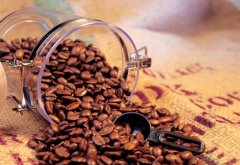
Coffee Roasting Five Considerations How to Roast Coffee How to Roast Coffee Coffee Roasting Recipe
Now, it's not surprising to have a coffee roaster, and many boutique coffee shops have their own coffee roaster, their own coffee roaster, which allows coffee roasters to develop and mature. Have you ever wanted to know what a coffee roaster is? Have you ever wanted to know what a coffee roaster looks like when you put green beans in it?
"Coffee roaster companion" the chemical substances of raw beans the structure and changes of coffee beans
Chapter 2: chemical substances of raw beans author: Scott Rao translator: Huaxia coffee raw beans are strong and green seeds, 50% of which are different forms of carbohydrates, and the other 50% are composed of water, proteins, lipids, acids, and various biological bases. Coffee roasters can bake good coffee without knowing the many chemicals in raw beans, but

Coffee bean roasting technology household roaster
Coffee roasting (coffee roasting) means that through heating raw beans, starch in raw beans is converted into sugars and acids at high temperature, substances such as cellulose will be carbonized to varying degrees, water and carbon dioxide will be volatilized, proteins will be converted into enzymes and fats, and the remaining substances will be combined to form an oil film on the surface of coffee beans, and in the process coffee acids will be formed.
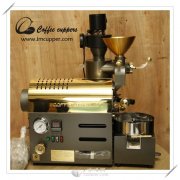
Coffee Roasting Hot Air Roaster
Coffee roasting refers to the heating of raw beans to convert starch in raw beans into sugar and acidic substances at high temperature. Cellulose and other substances will be carbonized to varying degrees. Moisture and carbon dioxide will volatilize. Protein will be converted into enzymes and fats. The remaining substances will combine together to form an oil film layer on the surface of coffee beans. In the process, coffee acids will be generated.
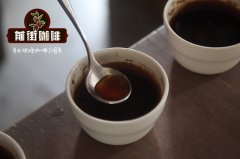
Coffee roasting points Coffee roaster chapter | description of the structure of coffee roaster
Professional coffee knowledge exchange more coffee bean information please follow the coffee workshop (Wechat official account cafe_style) 1. The baking drum is put into the place where the raw beans are baked, and there are two shapes: cylindrical and non-cylindrical. The cylindrical baking drum can be divided into two types: the surface is covered with small holes and there are no holes. There are some differences in the heating method and heat preservation of the air in the drum, the same.

Cooked coffee bean tissue structure coffee bean roaster structure diagram
Cooked coffee bean tissue structure coffee bean roaster structure chart from the baking degree point of view, the deeper the roasting degree, the more bitter taste; the shallower the roasting degree, the stronger the sour taste. The choice of baking degree depends on the characteristics of the coffee bean itself. for coffee beans with strong bitterness and light sour taste, they generally choose a moderate and shallow roasting degree. 1. Light baking (Light) the lightest frying